Understand the warning signs
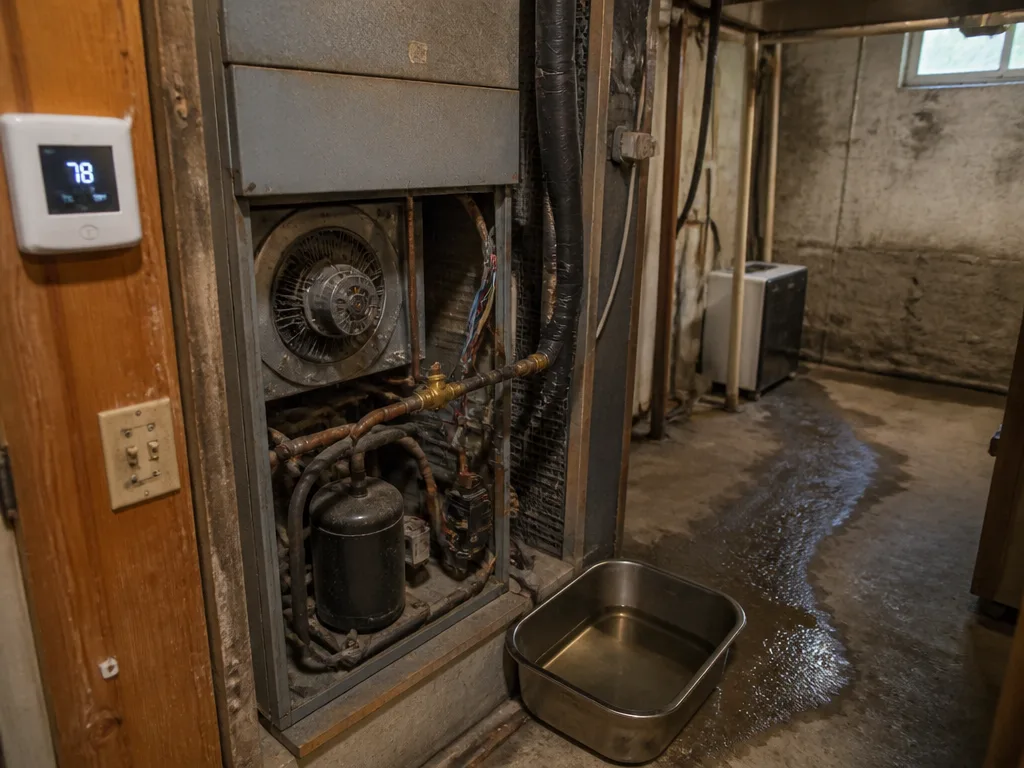
Across Connecticut, an air conditioning system relies on a few key components to move cool air. When the compressor starts to fail, the whole system struggles. Homeowners can spot trouble early by listening for grinding or rattling noises, noticing warm air from vents, or seeing the thermostat run cycles that don’t match the setting. These are not normal variations they’re signals something needs attention from an HVAC technician.
Another common sign is a sudden spike in energy bills. If you notice power usage creeping up without a change in how you use cooling, the compressor could be working harder than it should. Likewise, if the unit runs continuously without delivering a comfortable temperature, it’s typically a symptom of a motor or refrigerant issue that needs expert diagnosis.
Why these signs matter
In Connecticut, outdoor temperatures fluctuate a lot, and a faulty compressor can overwork to compensate. That extra strain wears parts faster and raises the risk of a refrigerant leak. A leak not only lowers cooling efficiency but can also cause frost on the coils and moisture damage inside the unit. These problems spread beyond comfort and can become costly if left unchecked.
Our team at Connecticut Air Conditioning has seen the consequences when a compressor is ignored. Early intervention prevents further damage, reduces the potential for a full system breakdown, and keeps households safer by avoiding dangerous electrical issues that can accompany failing components.
What to do if you notice signs
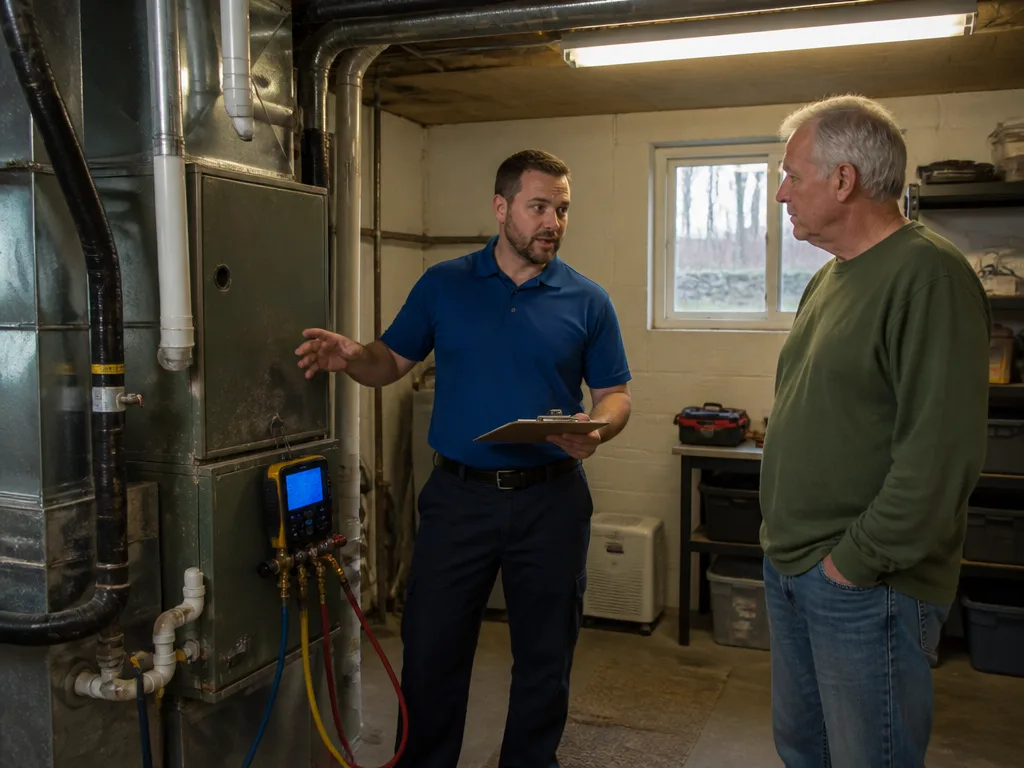
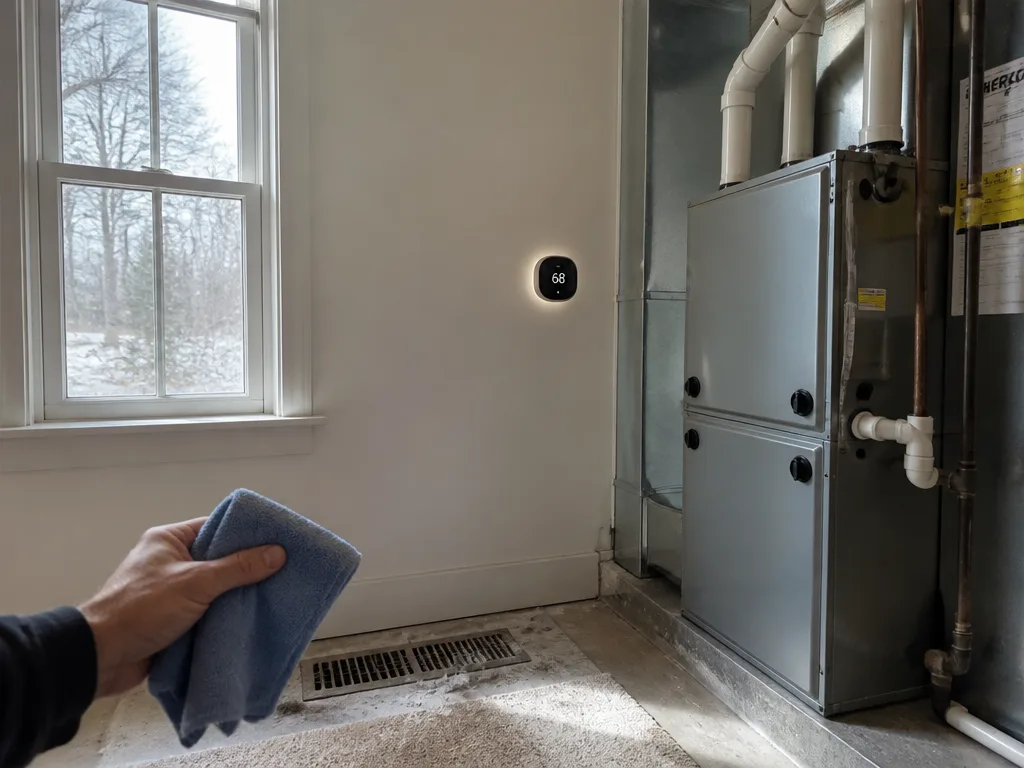
First, check the thermostat to rule out a simple setting error. If that doesn’t resolve it, turn to a professional. Connecticut crews respond across the state to assess the compressor, refrigerant levels, and electrical connections. A technician will inspect contactors, capacitors, and the refrigerant charge, then advise on the best path forward.
Keep in mind before calling
Be ready to describe what you’re experiencing: when it started, any noises you hear, whether the issue is intermittent, and the last service date. Having model and serial numbers handy helps our HVAC technicians diagnose quickly. If a repair is recommended, you’ll receive a clear explanation of options, costs, and the expected timeline for parts and service.